
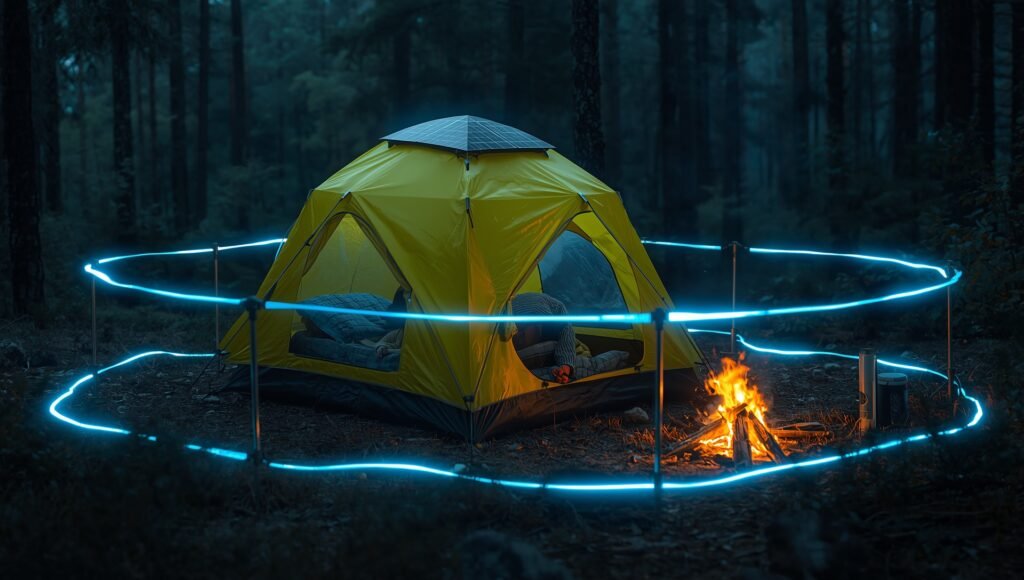
Camping is one of the best ways to enjoy the outdoors, but safety should always come first. Whether you’re planning a weekend trip or a long backpacking adventure, knowing the right camping safety tips will keep you and your group safe, comfortable, and prepared for any situation.
In this guide, we’ll cover essential safety tips for camping, from gear preparation to fire safety, wildlife awareness, and first aid.
Plan Ahead & Research Your Destination
Before heading out, research the campsite or park you’ll be visiting. Check for:
- Local weather forecasts
- Fire restrictions
- Wildlife warnings (like bears, snakes, or insects)
- Park rules and regulations
A well-planned trip helps prevent unexpected risks.
Pack Essential Camping Gear
Having the right gear is key to staying safe. Always bring:
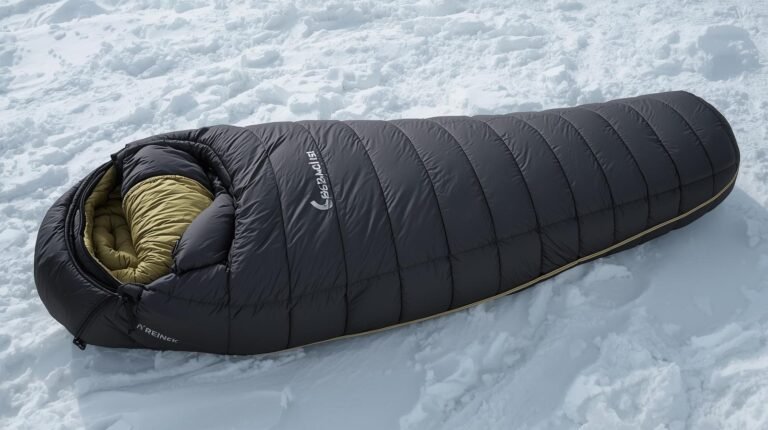
- quality tent and sleeping bag suited to the season
- First aid kit with bandages, antiseptic, and personal medications
- Headlamp or flashlight with extra batteries
- Map and compass (don’t rely only on your phone’s GPS)
- Multi-tool or knife for any emergency
- Water filter or purification tablets
Tip: Check your gear at home before leaving to ensure it works properly.
Fire Safety in the Outdoors
Campfires are enjoyable but can be dangerous if not handled carefully.
- Build fires only in designated fire rings or pits
- Keep water and a shovel nearby to put out flames quickly
- Never leave a fire unattended
- Fully extinguish your fire before going to sleep or leaving camp
- If campfires are restricted, use a camping stove instead.
Food & Wildlife Safety
Wild animals are part of nature, but you don’t want them visiting your tent.
- Store food in bear-proof containers or hang it from a tree
- Never leave food scraps or trash out overnight
- Cook and eat away from your sleeping area
- Learn about the local wildlife and how to respond if you encounter them
Stay Hydrated & Eat Well
Dehydration and fatigue are common camping risks.
- Carry at least 2–3 liters of water per person per day
- Use water filters or purification tablets for natural sources
- Pack lightweight, nutritious food such as trail mix, dehydrated meals, and protein bars
Weather Preparedness
Weather can change at any time.
- Always bring layers of clothing (base, insulation, waterproof)
- Pack rain gear even if the forecast looks clear
- Avoid camping in low areas prone to flooding during storms
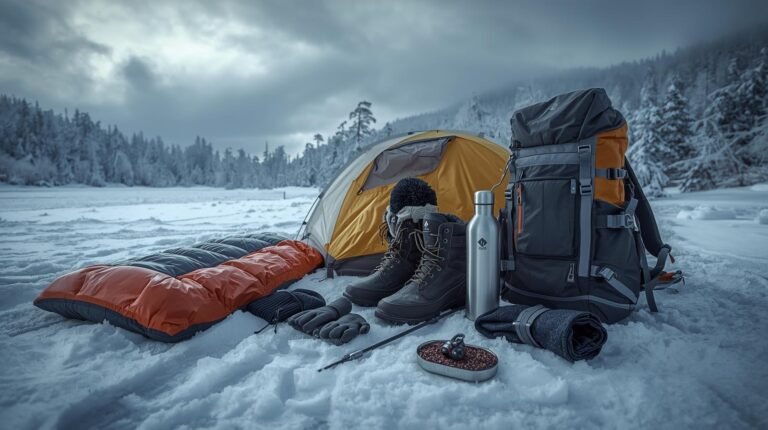
- In cold weather, use insulated sleeping pads to stay warm at night
First Aid & Emergency Readiness
Accidents can happen anytime, so be prepared for anything.
- Carry a first aid kit and know how to use it
- Learn basic CPR and wilderness first aid techniques
- Keep emergency contacts written down (not just on your phone)
- If hiking, tell someone your route and expected return time
Leave No Trace
Protect nature by following the Leave No Trace principles.
- Dispose of waste properly
- Minimize campfire impact
- Respect wildlife
- Leave nature as you found it
This ensures campsites remain safe and beautiful for future campers.
“Final Thoughts on Camping Safety”
Camping can be a fun and unforgettable experience, but safety should always come first. By preparing properly, packing the right gear, and following basic camping safety tips, you’ll reduce risks and enjoy your adventure to the fullest.
1 thought on “Camping Safety Tips: A Complete Guide for Outdoor Adventures”
thanks ..